Notebook Mockup, Hardcover Journal PSD: A Practical Guide for Designers
Whether you're a graphic designer, marketer, blogger, or small business owner, presenting your work in a realistic and professional way is essential. One of the most effective tools for this purpose is the Notebook Mockup, Hardcover Journal PSD. These digital mockups allow you to showcase your designs on notebook covers, journal layouts, and more—without the need for expensive photography or printing. They’re ideal for portfolios, social media posts, product presentations, and marketing materials.
What Is a Notebook Mockup, Hardcover Journal PSD?
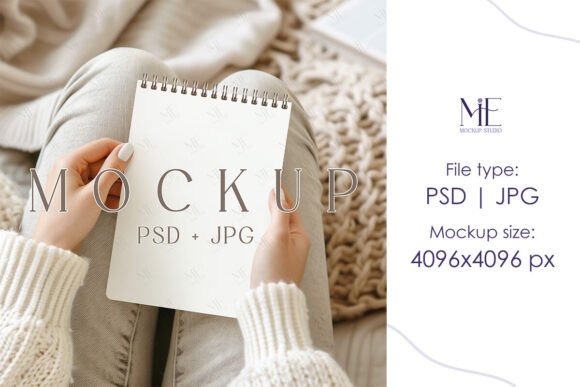
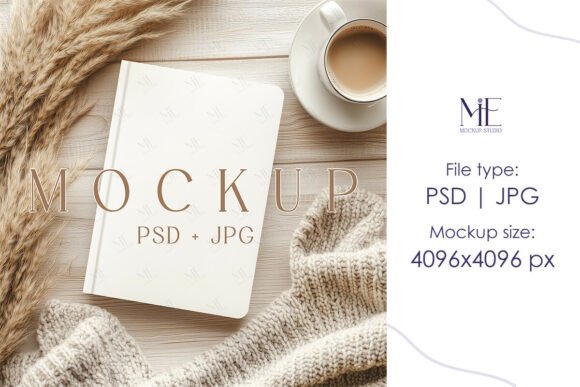
A Notebook Mockup, Hardcover Journal PSD is a layered Photoshop file that features a high-quality image of a physical notebook or journal. The key feature is the use of Smart Object layers, which let you easily insert your own design into the mockup without altering the original structure. This means you can maintain the realism of the presentation while customizing the content to match your branding or project needs.
Beyond notebooks, these mockups often include additional templates such as Photobook Mockups, A5 and A4 Planner Display Mockups, and even Wedding Photobook Template PSDs with Smart Objects. Each template is crafted to give your design a lifelike appearance, helping it stand out in a competitive visual landscape.
Why Use Notebook Mockups in Your Work?
These mockups are incredibly useful for anyone looking to present their creative output in an engaging way. For example:
- Designers can show how a logo or pattern looks when applied to a real-world object like a journal cover.
- Entrepreneurs might use them to visualize packaging before production, reducing costs and improving decision-making.
- Marketers can create compelling promotional images for campaigns, especially in lifestyle or stationery niches.
- Bloggers and educators can enhance tutorials by demonstrating how to add text, illustrations, or branding to a mockup.
The ability to edit and preview your work quickly gives you a powerful edge, especially when time and resources are tight.
Common Mistakes When Choosing or Using Notebook Mockups
While these mockups offer great value, there are some common pitfalls that users may not be aware of. Here are a few things to watch out for:
1. Overlooking Resolution and Quality
Not all mockups are created equal. Some files may appear good at first glance but lack the resolution needed for print or high-quality online display. Always check the specifications—such as whether the file includes a high-resolution JPG (e.g., 4096x4096 pixels)—before purchasing. Low-quality backgrounds or textures can make your design look unprofessional.
2. Ignoring Layer Structure and Editability
One of the biggest advantages of a Notebook Mockup, Hardcover Journal PSD is its editable Smart Object layers. However, if the file isn’t properly structured, inserting your design could become frustrating or even impossible. Make sure the mockup clearly states that it supports Smart Objects and that each element (cover, pages, spine) is separated for easy customization.
3. Misjudging the Size Fit
Some designers assume that any mockup will fit their design size. But in reality, specific dimensions matter. For instance, if you're working with a label or sticker, a mismatched size can lead to awkward scaling or distortion. Look for clear size details—like the “Chocolate label size” being 5.25x5.5 inches—and ensure your artwork matches those proportions exactly.
4. Not Checking File Contents Before Purchase
It’s tempting to buy a mockup based on a preview image alone. However, this can lead to disappointment later. Always read the description carefully to confirm what you’re getting. For example, does the purchase include both a PSD file and a JPG file? Are multiple angles or variations included? Knowing this upfront helps avoid wasted time and effort after the download.
How to Avoid These Pitfalls
To get the most out of your Notebook Mockup, Hardcover Journal PSD, follow these best practices:
Use High-Resolution Assets
Always prepare your design at the same resolution as the mockup. If the mockup has a background at 300 DPI, your inserted artwork should match. This ensures sharpness and clarity in the final output. Many professionals recommend using vector-based graphics or high-res raster images to maintain quality during resizing.
Test Before Finalizing
After downloading your Notebook Mockup, Hardcover Journal PSD, open it in Photoshop and test it with a placeholder design. This lets you verify that the Smart Object works correctly and that your layout fits well within the mockup. Don’t skip this step—it can save you from having to request a refund due to compatibility issues.
Understand the File Format
Since these are digital downloads, it’s important to have the right software. A PSD file requires Adobe Photoshop for full editing capabilities. If you don’t have access to Photoshop, consider whether the mockup offers an alternative format, such as a layered PNG or flattened JPG. Otherwise, you’ll miss out on the flexibility that makes these mockups so valuable.
Plan for Multiple Uses
Many people buy one mockup and stick to it, but variety is key. A single angle or lighting condition may not always suit your needs. Opt for mockup packages that include different perspectives, lighting setups, and environments. This allows you to adapt the mockup to various uses, such as website banners, social media previews, or print samples.
Realistic Examples and Better Approaches
Let’s say you're launching a new planner brand and want to show off your A5 A4 Planner Display Mockup. You upload your logo to the Smart Object layer, but it ends up looking pixelated. What went wrong?
Chances are, the original artwork wasn’t sized correctly. To fix this, scale your logo down to match the specified area and ensure it’s set to the correct resolution. Alternatively, use a scalable vector graphic (.EPS or .SVG) so it retains quality no matter how it's resized.
Another scenario involves a wedding photographer who buys a Wedding Photobook Template PSD Smart Object Mockup to promote their services. They place a low-contrast photo on the cover and struggle to see the details. A better approach would be to use high-contrast imagery or add subtle overlays to enhance visibility against the texture of the mockup.
Things to Check Before Making a Purchase
Before clicking “buy,” ask yourself the following questions:
- Does the mockup support Smart Object layers for easy insertion of my design?
- Is the file compatible with my version of Photoshop?
- Are there multiple angles or variations included to increase usability?
- Do the size specifications align with my project requirements (e.g., 5.25x5.5 inch label)?
- What formats are provided—PSD, JPG, PNG, etc.—and do they meet my needs?
By taking the time to evaluate these factors, you can avoid poor decisions and choose a mockup that truly enhances your work.
Final Thoughts on Notebook Mockup, Hardcover Journal PSD
Using a Notebook Mockup, Hardcover Journal PSD can significantly elevate the professionalism of your design presentations. From planners and photobooks to branded journals and stationery, these mockups provide a cost-effective and efficient way to bring your ideas to life. However, success depends on careful selection and proper usage.
With the right preparation—like matching resolutions, testing Smart Objects, and understanding the mockup’s intended use—you’ll be able to produce stunning visuals that reflect your creativity accurately. Whether you're a seasoned designer or just starting out, investing in a well-crafted mockup can help you communicate your vision clearly and confidently.
Remember, the goal is not just to use a mockup, but to use it effectively. By avoiding common mistakes and focusing on practical solutions, you’ll get the most value from your Notebook Mockup, Hardcover Journal PSD and other related templates.